
What is static electricity?
In all processes involving movement, the contact and separation of materials can create a static charge. This occurs if two objects rub against each other, resulting in an excess of electrons in one and a deficit in the other. In everyday life, a shock from a static charge may be experienced with slight discomfort, but in a gas or dust atmosphere, it can lead to serious accidents.
Fortunately, there are protective measures to take by eliminating potential ignition sources and preventing the discharge of static electricity. There are often hidden dangers in the form of “isolated conductors.” These are conductive objects that are either inherently or accidentally isolated from the ground and can include anything from metal flanges, fittings, and valves in piping systems to people. Isolated conductors are often seen as the most likely source of accidents caused by static electricity in the industry.
Static electricity – risks and preventive measures
The Solvents Industry Association (SIA), in collaboration with the European Solvents Industry Group (ESIG), has launched an updated version of their safety film on solvents and static electricity. In Part 1, we learn about the danger of static electricity and how it can build up. Part 2 covers practical measures to eliminate the risks of static discharge in flammable environments.
Safe grounding
According to ATEX directives, equipment to be used in explosion-rated areas must meet certain specific requirements to ensure they cannot cause sparking. However, even if the equipment meets these requirements, accidents can still occur if the equipment’s function does not meet the required standards. To use grounding equipment smoothly and safely, ergonomic clamps, spiral cables, and automatic reels are required.

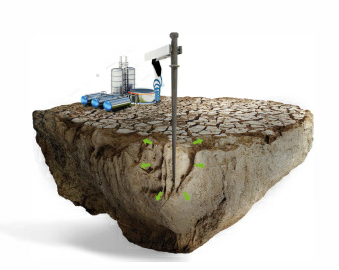
Lead the charge to ground
The simplest and often most reliable way to reduce the risk of an electrostatic spark igniting is to connect to ground. By continuously leading away the static charge, you secure areas where flammable or explosive goods/gases are present. A simple and inexpensive insurance against accidents.
Grounding equipment for industry
In industrial areas where gas or dust atmospheres are present, it is particularly important to lead static charges to ground to prevent fire and explosion. Static charge can arise through, for example, pumping, stirring, free fall, or simply by a person moving in the area. Equipment that verifies the grounding is safe before the explosive process starts is therefore important. Everything from test instruments and grounding clamps with LED indicators to shoe test stations that test your anti-static shoes before you enter the Ex-area can save lives.
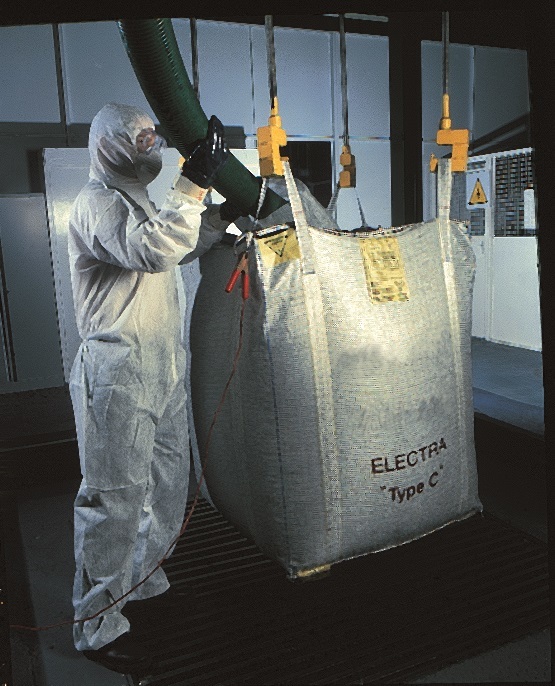
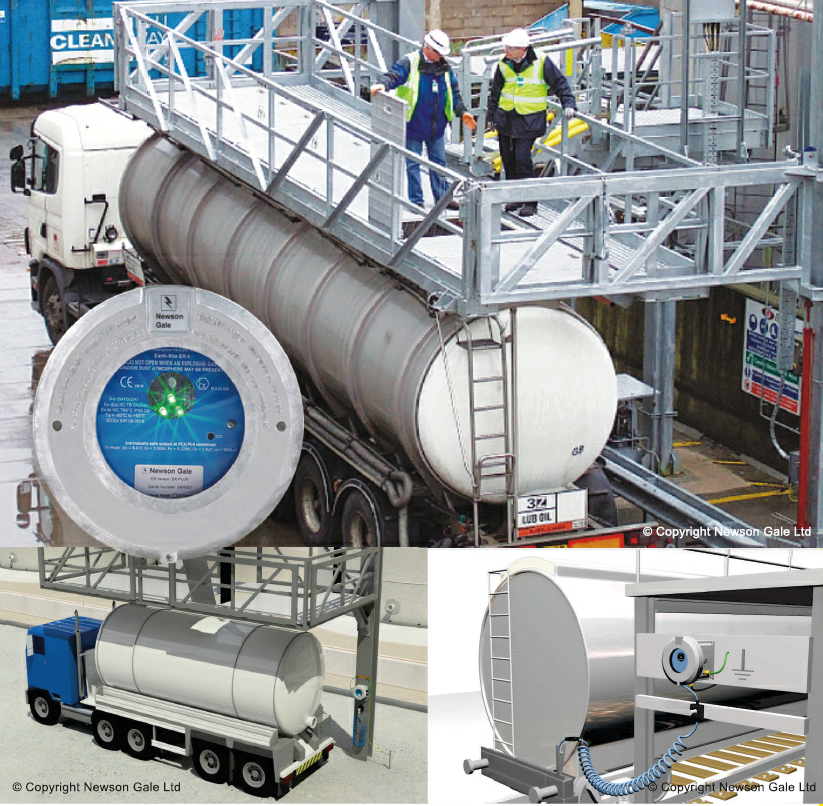
Grounding systems for vehicles
Sometimes it is necessary for grounding to be mandatory or otherwise provide the operator with information before starting a potentially explosive process. In such cases, grounding systems with automatic monitoring are recommended. The transfer of liquids or powders between vehicles such as trains, trucks, or tankers can often generate large static charges. In explosive atmospheres, these charges can pose significant risks. Therefore, grounding systems are recommended that ensure the process through monitoring and control of the grounding path. This can include, for example, sensing the ground connection, grounding, indication, monitoring of the ground circuit, and interlocking functions that can prevent pumps, for instance, from starting until grounding is complete.