
Grounding of Tank Trucks
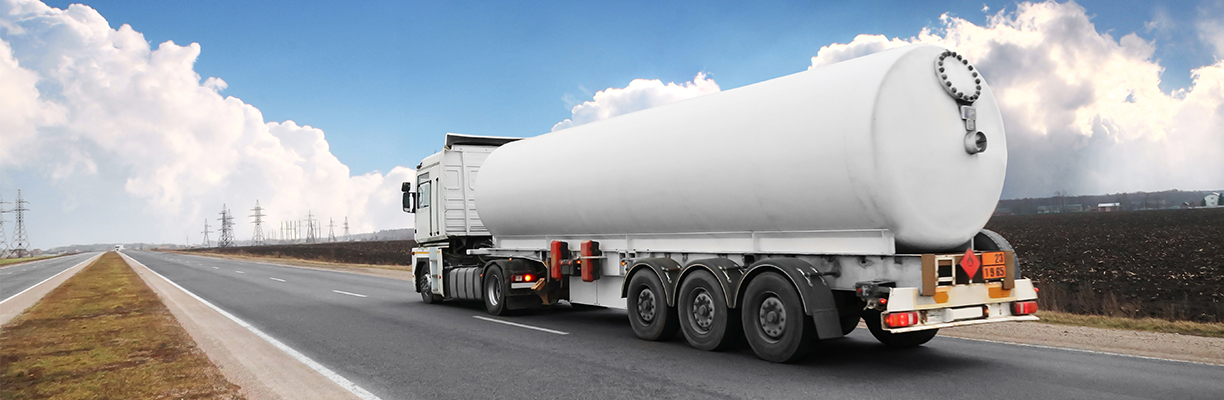
A proper grounding system for tank trucks is essential to prevent static electricity and reduce the risk of ignition during loading and unloading. Below are the key requirements for an ideal grounding system
Requirements for a Safe Grounding System
1. Verified Ground Connection
The system must have a controlled and documented ground connection that is regularly inspected by a qualified electrical engineer.
2. Defined Ground Point on the Vehicle
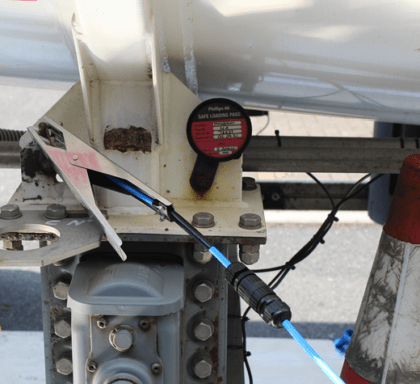
The truck must have a clearly marked ground point with metal-to-metal contact to both the chassis and tank. The resistance in this connection must be less than 10 ohms. The ground point typically consists of a brass stud or stainless steel tab.
3. Standards Compliance
The grounding system must comply with applicable international standards, guidelines, and industry practices, such as:
API RP 2003
IEC TS 60079-32-1
NFPA 77
4. Installation and Maintenance According to Manufacturer’s Guidelines
The system must be installed in accordance with Ex requirements and the manufacturer’s specifications, and undergo routine maintenance by a qualified electrician.
Types of Grounding Systems
Resistance-Based Grounding Systems
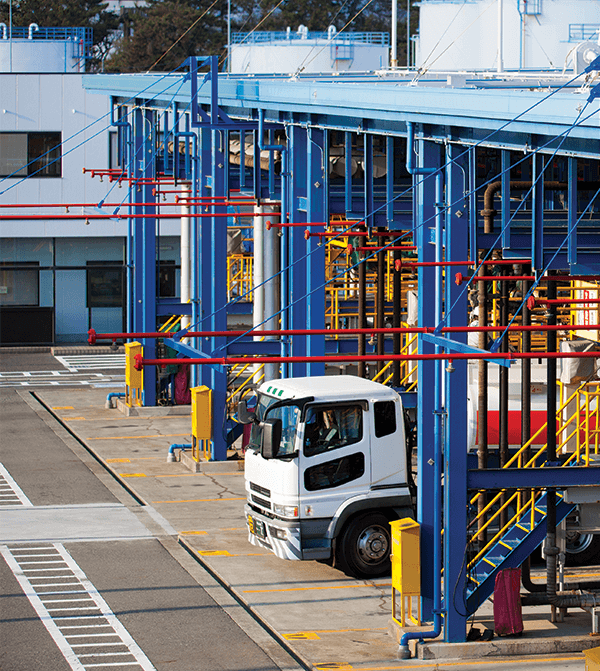
These systems provide visual indication and interlocking capability. However, their ability to accurately measure low resistance varies significantly.
Impedance-Based Grounding Systems
These systems use electrical impedance (Z) as a parameter. Impedance is a combination of resistance and reactance (capacitive and inductive), and is strongly influenced by cable length and environmental conditions.
Capacitance-Based Grounding Systems
These systems identify the vehicle through its unique capacitance and then switch to continuous resistance monitoring.
Important Safety Procedures
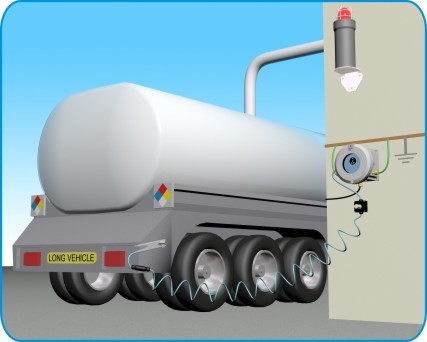
Always Ground First!
Attach the ground clamp to the vehicle before any other action is initiated—such as connecting hoses, moving the loading arm, or stabilizing the trailer. Wait for a GREEN flashing LED indication showing that proper grounding is established.
Always Use a Capacitance-Based System
To meet all safety requirements and avoid operational disruptions, it is best to use a capacitance-based grounding system that monitors the connection continuously and automatically.
Selected products
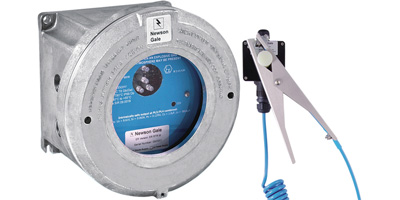
Earth Rite RTS
Explosion-protected grounding system with tank truck identification and monitoring of ground clamp and grounding circuit.
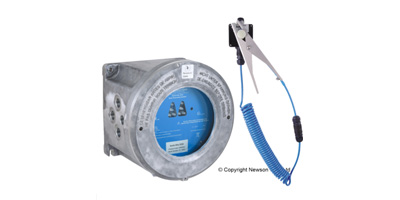
Earth Rite DGS
Explosion-protected grounding system with the ability to monitor two units together or in parallel, and interlocking of, for example, pump(s) can be adapted accordingly.
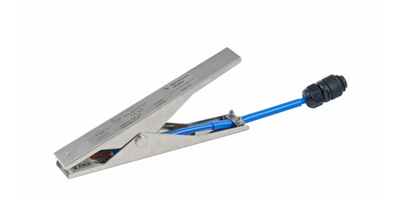
Ground Clamp X90 IP
Stainless steel ground clamp for dissipating static electricity in hazardous environments. With Quick Connect coupling.

Spiral Cable 2-Conductor
Blue spiral cable in various lengths that retracts after use.