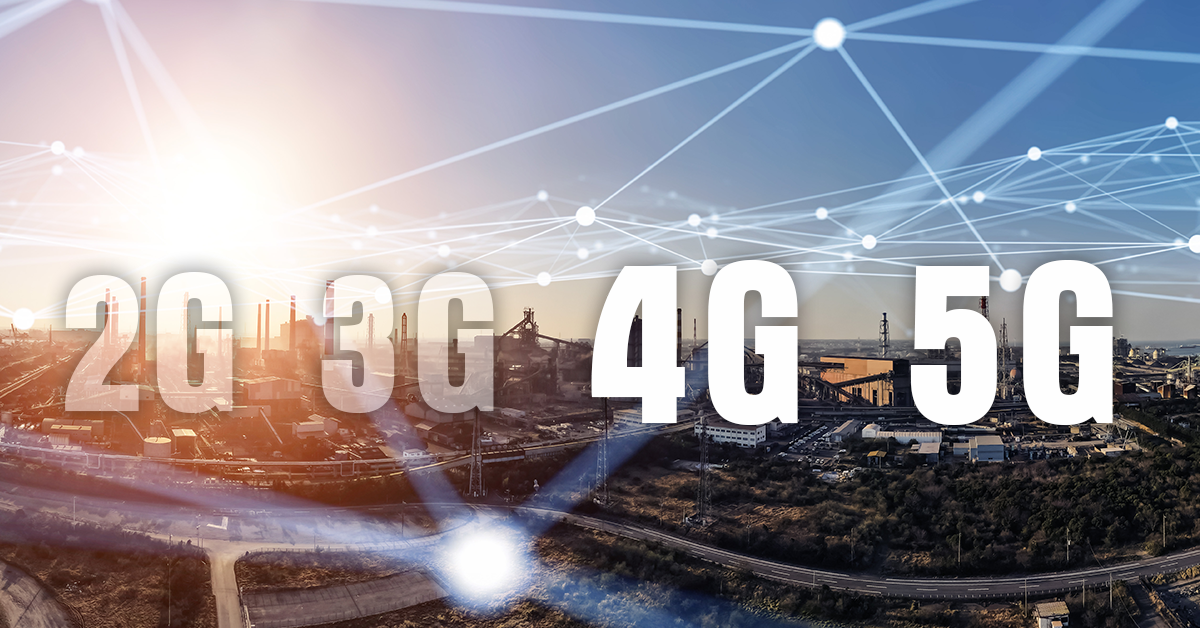
LTE stands for Long Term Evolution and is a standard for wireless data communication in mobile networks. It was developed to meet the growing need for faster and more reliable mobile broadband solutions, and became a natural evolution from 3G and HSPA. LTE was introduced commercially in the late 2000s and has since been the foundation of 4G networks.
Key features and characteristics
LTE and 4G
LTE is often marketed as 4G, but technically the first generation of LTE (also known as Release 8) was a transitional solution.
The full 4G standard was only met with LTE-Advanced, which was launched a few years later and provided even higher capacity and support for technologies such as carrier aggregation.

Areas of use
LTE has become the backbone of modern mobile communications and is used for:
The road ahead – LTE + 5G
LTE is still a central part of mobile networks worldwide, but development is moving toward 5G. In many cases, LTE and 5G are used in parallel, with LTE serving as the base and being complemented by 5G for even higher performance. This means LTE will remain a key technology for many years to come.