
Flammable gases can form explosive mixtures, but how many consider that even combustible dust can be an explosion hazard?
An explosive dust atmosphere can arise where combustible dust or materials that can emit combustible dust are handled or stored. When determining if a dusty environment should be considered explosion-hazardous, factors such as the thickness of dust layers that can form, the minimum ignition temperature of the current dust layers and dust atmosphere, whether the dust is electrically conductive, and any potential ignition energy are taken into account.
If a dust mixture ignites, a chain reaction can start, and multiple explosions can occur in airborne dust. Since large amounts of energy are released, the damage potential of dust explosions can often be extremely high.
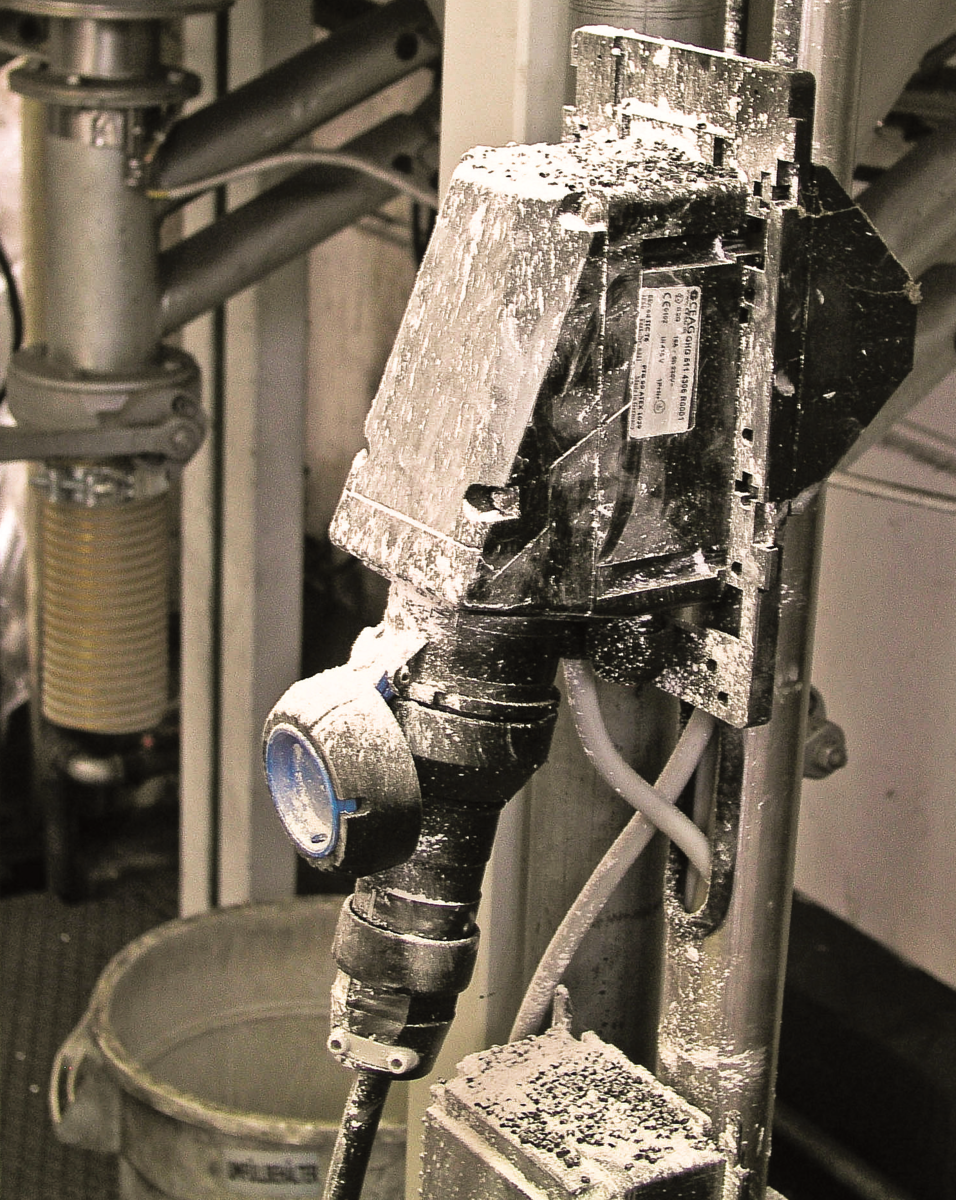
How is explosive dust classified?
Just as for explosive gas atmospheres, explosive dust atmospheres are divided into zones: Zone 20 Continuously or for long periods A hazardous area in which an explosive dust atmosphere is present continuously, for long periods, or frequently. Zone 21 Occasionally during normal operation A hazardous area in which an explosive dust atmosphere can be expected to occur occasionally during normal operation. Zone 22 Rarely and for short periods A hazardous area in which an explosive dust atmosphere is not expected to occur during normal operation, and if it does occur, it is only rarely and for short periods.
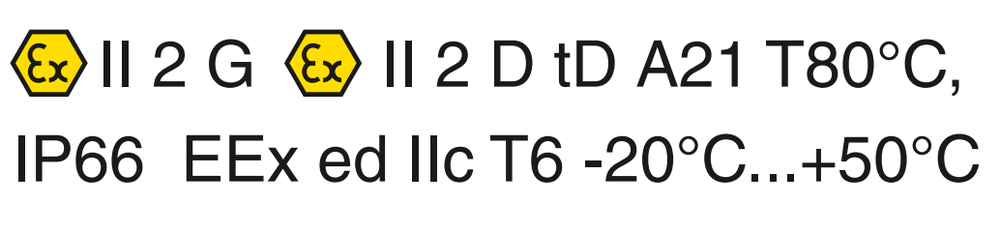
NOTE! All equipment used in explosion-classified areas must be marked according to ATEX. This is what a typical marking might look like.
Where can dust explosions occur?
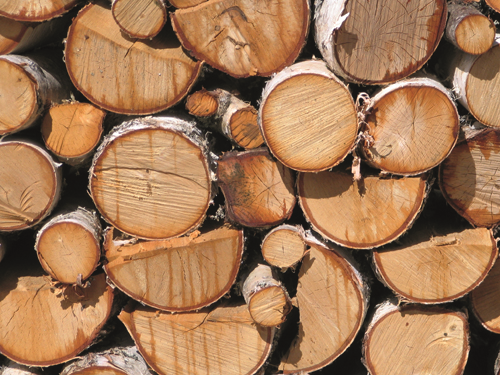
Organic products such as wood and fiber materials can generate a lot of dust; grain handling is also risky. Typical environments include sawmills and other
wood industries, as well as silos.

Metal dust found in various types of industries, and dust generated when plastic, resin, and rubber materials are handled, as well as powders in the paint industry, can be considered explosion-hazardous. In short – dust explosions can occur almost anywhere fine-grained dust and powder are present.

Industries that handle food, tobacco, and animal feed are considered potential risk areas; large bakeries with a lot of flour dust are one example.
The dust is also tested to: identify if it is combustible, its ignition temperature, sometimes also the relevant ignition energy, and its conductivity.
How are dust explosions avoided?
As with all explosion-classified areas, regular periodic inspections must be carried out. During these inspections, the following conditions, in particular, should be examined: 1. Chemical effects, e.g., corrosion 2. Accumulation of dust, dirt, or paint 3. Ingress of liquids 4. High ambient temperature 5. Mechanical damage, e.g., from impact or vibration
6. Unauthorized alteration of design or set value 7. Insufficient maintenance, e.g., not performed according to the manufacturer’s instructions 8. Results of previous inspections In dusty environments, points 2 and 4 should, of course, be checked with extra care. Together with design and organizational measures, explosion risks can be minimized by selecting equipment approved for use in explosive dust atmospheres.
ATEX-approved installation material for dust-classified zones
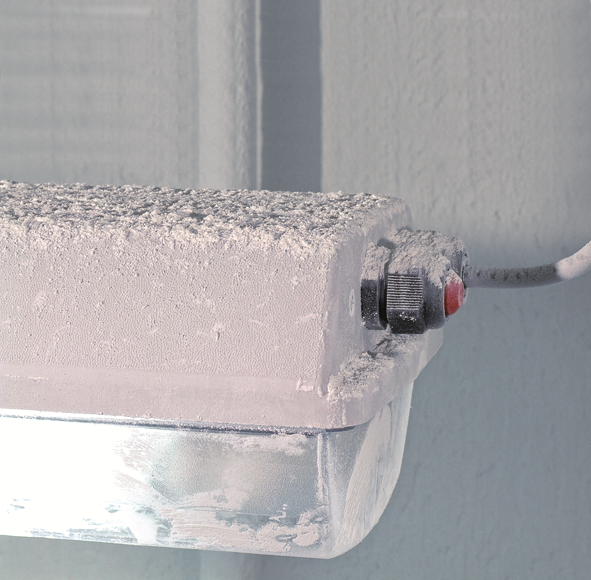
Good lighting is necessary to detect potential risks and accidents, especially in dusty environments. To control lighting and other electrical equipment, switches, junction boxes, sockets and plugs, and various types of actuators are needed. It is also necessary to be able to monitor processes, raise alarms for incidents, and heat both premises and raw materials – even if the environment is dusty.
Grounding and portable equipment for personal safety
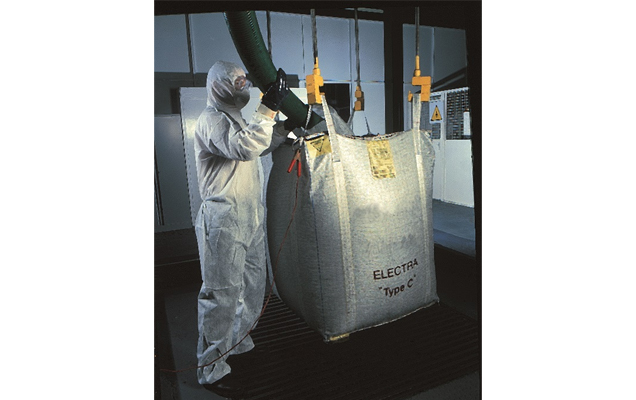
Static electricity often arises when handling various types of powders, such as flour and paint powder. Often, raw materials are transported in plastic bags and transferred via plastic hoses and funnels. The combination of static electricity and dust clouds can have fatal consequences. In these contexts, it is important to use safe grounding equipment.
For more information, contact us at sales@malux.se or call 0660-29 29 03.
Read more about ATEX here:
What is ATEX?